Hands-On Guide to Top Writing Notebooks for Everyday Use
I have spent most of my adult life writing by hand. Not just grocery lists or the occasional sticky note, but actual daily pages: journal entries, story fragments, character sketches, and the kind of messy thinking that only seems to happen when ink meets paper. Over the years I have tested dozens of notebooks. Some fell apart within a week. Others sat on my shelf unused because the paper felt wrong under my fingers. A few became trusted companions I reach for again and again. This is what I have learned about the top writing notebooks available today, based on real use and not just internet hype.
What Makes a Notebook Work for Writing
Before I get into specific brands, it helps to understand what actually matters for a good writing experience. Paper quality is the biggest factor. You want something that resists bleeding and feathering, especially if you use fountain pens or wet rollerballs. A smooth surface helps the pen glide without catching. Binding matters too. A notebook that does not lie flat is frustrating when you are trying to write near the inner margin. And size and portability play a role: a pocket notebook is fine for quick notes, but for extended writing sessions you want something that stays open on your desk and gives you room to spread out.
I have tried notebooks with every kind of binding, paper weight, and ruling. What I look for now is a balance between durability and pleasant tactile feel. A notebook that survives being tossed in a bag but still makes you want to write in it. That combination is harder to find than you might think.
My Personal Favorites Among the Top Writing Notebooks
After years of testing, a handful of notebooks have earned permanent spots on my desk and in my bag. They are not all expensive. Some are quite affordable. But each one delivers where it counts.
Leuchtturm1917
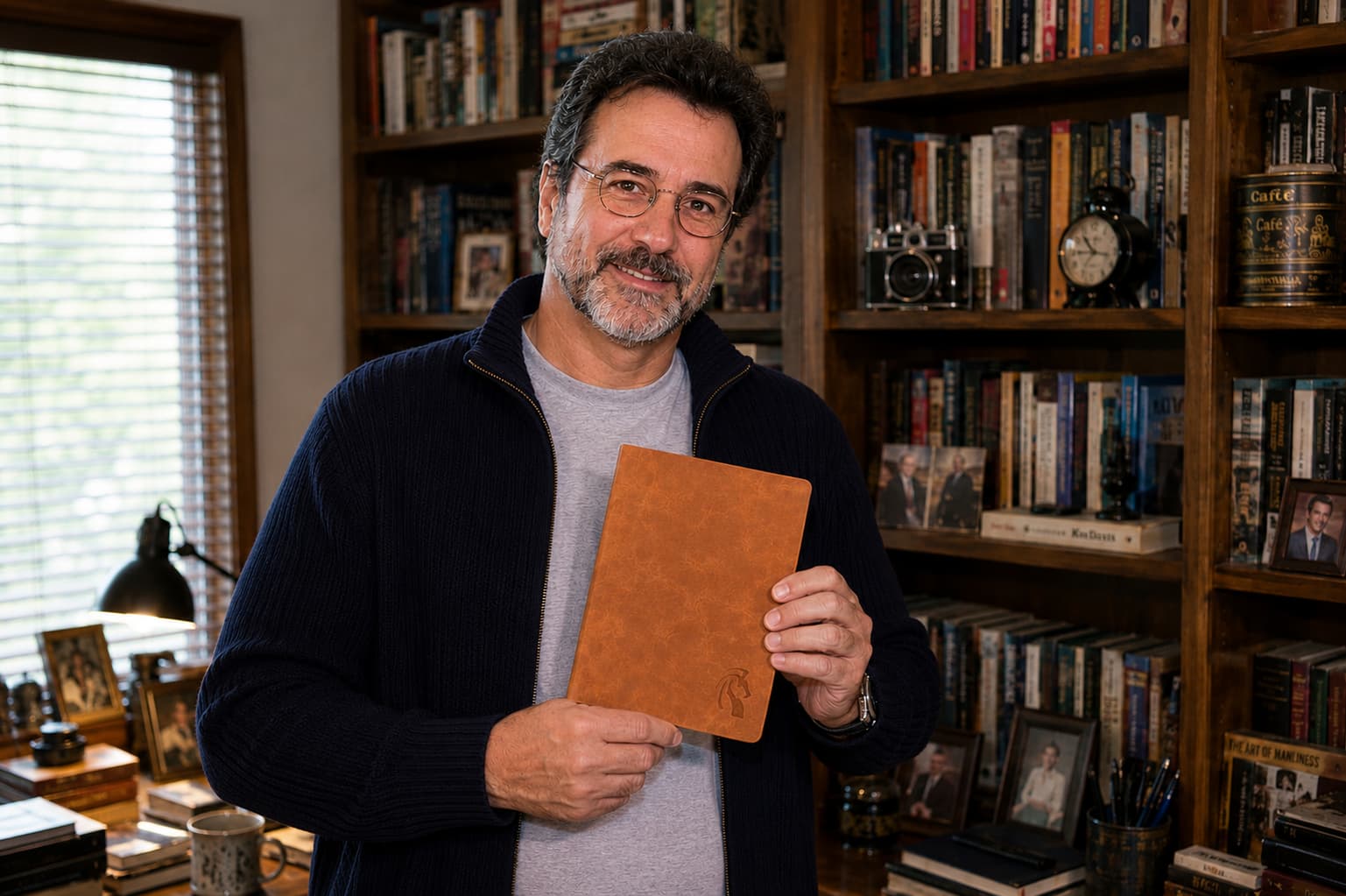
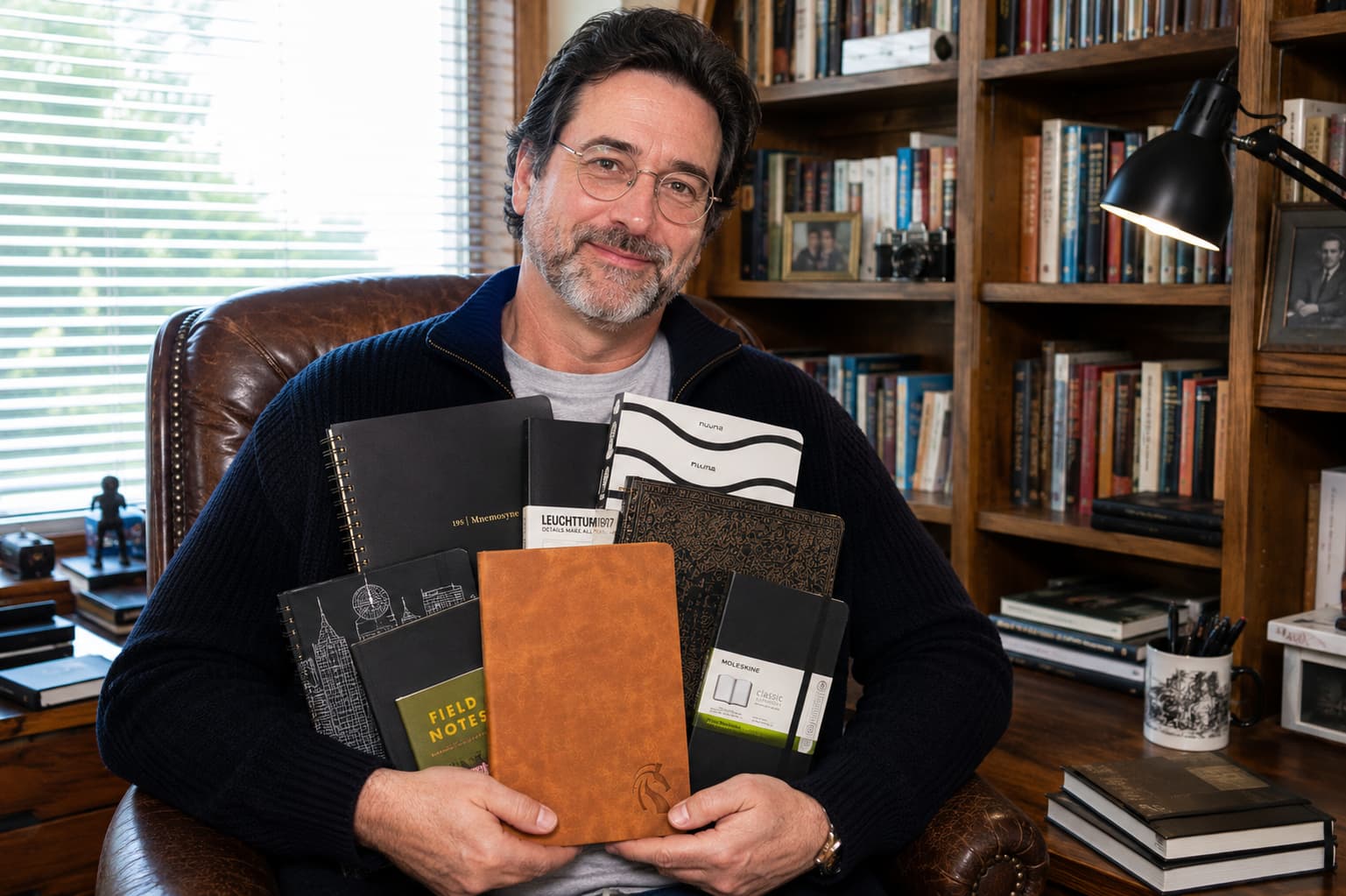
The Leuchtturm1917 is a classic for good reason. The paper is smooth and takes fountain pen ink well, though it does show some ghosting with wet writers. The numbered pages, table of contents, and sticker set make it easy to organize. I have filled several of these over the years, and the binding holds up even after heavy use. The hardcover version lies reasonably flat once you break it in. If you like a structured notebook with a clean, minimal look, this is a solid choice.
Moleskine
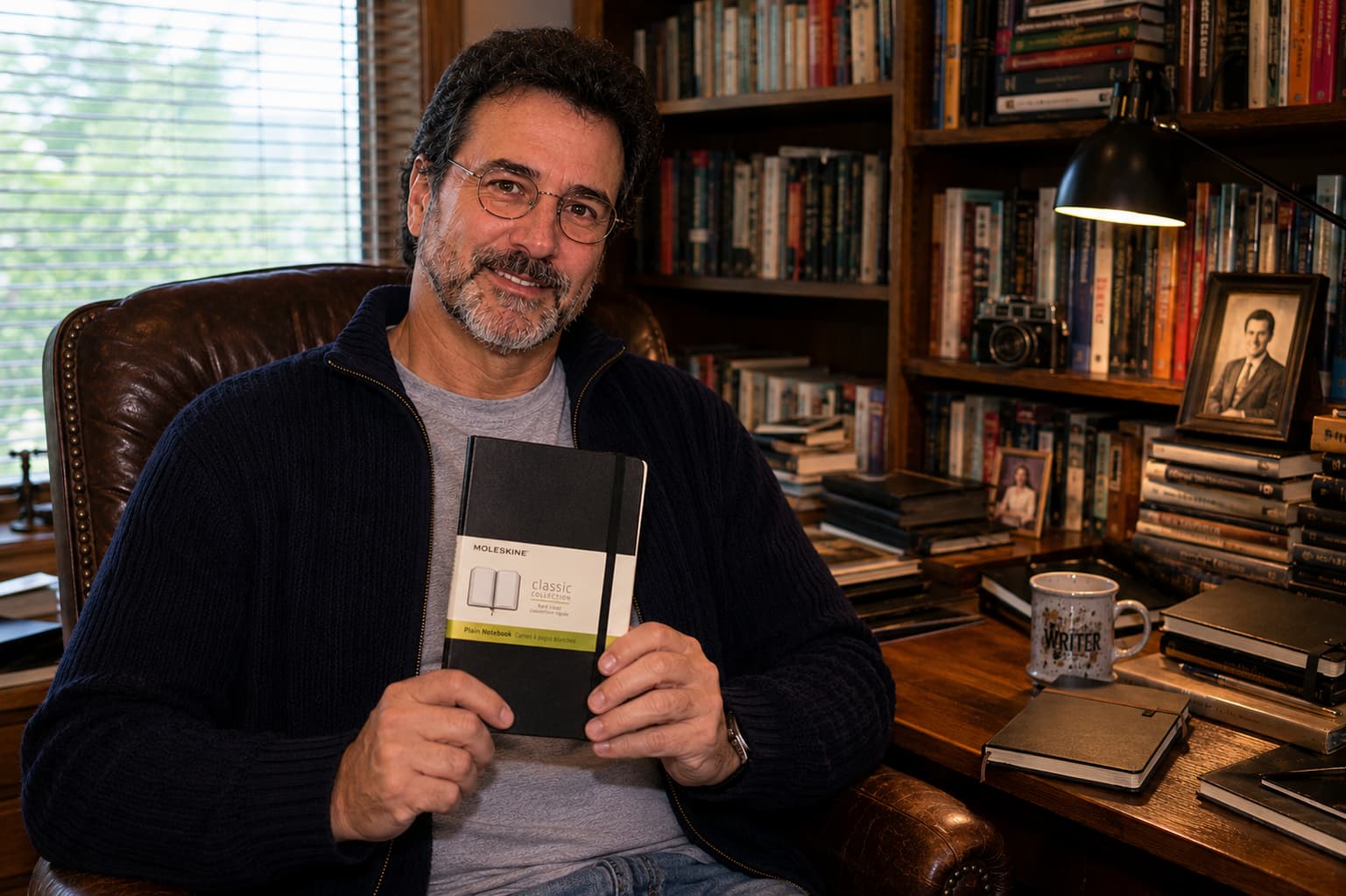
Moleskine is probably the most famous notebook brand in the world, and I have used many of them. The paper is thin and has a slight tooth that some people love. My personal experience is mixed: the paper bleeds more than I would like with fountain pens, and the binding on some copies has failed after a few months. Still, the slim profile and classic design keep me coming back for certain projects, especially pocket notebooks for quick notes. They are not the best for heavy ink work, but they work fine with a Pilot G2 or a ballpoint.
Rhodia and Clairefontaine
Rhodia and Clairefontaine are made by the same company and share the same excellent paper. Clairefontaine paper is famously smooth and fountain-pen friendly. Rhodia pads and notebooks use that paper with a coated cover and a staple or glued binding. I keep a Rhodia No. 16 staplebound pad on my desk for brainstorming. The paper is so smooth that a TWSBI fountain pen glides almost silently. For pure writing feel, this is hard to beat. The only downside is that the binding on the pads is not designed for long-term storage. You tear off pages, so it is more of a working tool than a keepsake notebook.
Field Notes
Field Notes are small, sturdy, and built for the pocket. I carry one almost everywhere. The paper is not as fountain-pen friendly as Rhodia or Leuchtturm1917, but it works well with a Pilot G2 or a pencil. The covers are thick and take a beating. They come in a huge variety of limited editions, which can be fun but also distracting if you just want a reliable notebook. I use them for lists, ideas on the go, and quick sketches. They are not meant for long-form journaling, but they serve their purpose perfectly.
Hobonichi Techo
The Hobonichi Techo is a Japanese planner that uses Tomoe River paper, which is incredibly thin yet handles fountain pen ink beautifully. The paper takes a lot of ink without bleeding, and the grid is subtle and elegant. I have used the A6 size for daily journaling and found it surprisingly roomy for such a compact book. The binding is thread-stitched and lies flat. If you write small and want a portable daily companion, this is one of the most satisfying notebooks I have ever used. The downside is the price and the fact that it is designed as a dated planner, so you are locked into a calendar year.
Midori MD
Midori MD notebooks are minimalist in the best way. The paper is cream-colored, uncoated, and has a soft texture that feels wonderful under a fountain pen. The binding is simple and allows the notebook to open completely flat. I have used the A5 size for first drafts of short stories. The paper shows shading and sheen from inks beautifully. It is not the most durable cover, but the writing experience is top-tier.
Specialty Notebooks for Specific Needs
Beyond the well-known brands, niche makers have developed notebooks tailored to different writing styles. These are worth exploring if you have particular preferences.
Baron Fig
Baron Fig makes clean, well-designed notebooks with a focus on simplicity. The paper is 100 gsm and handles most pens well. I liked the softcover version for carrying around, but I found the hardcover a bit heavy for daily carry. The dot grid is a nice middle ground between blank and ruled. They are a good choice if you want something that looks modern and works reliably.
Archer & Olive
Archer & Olive notebooks are known for thick, 160 gsm paper that can handle heavy ink, watercolor, and even light paint. The pages are thick enough that you never have to worry about bleed-through. I use one for journaling with a TWSBI fountain pen and a Pilot G2, and the paper holds up beautifully. The notebooks are substantial and feel high-quality. They are also expensive and heavy, so not ideal for travel. But for a desk journal where you want to use any pen or ink without worry, this is an excellent option.
Notebook Therapy
Notebook Therapy sells notebooks with a strong aesthetic focus, often featuring beautiful cover art. The paper quality is generally good, with 140 gsm or higher, so it resists bleeding. I have tried a couple of their designs. The covers are lovely, but I found the paper slightly less smooth than Rhodia or Midori MD. They are a good choice if you care about the look of the notebook as much as the feel of the paper.
Dingbats
Dingbats notebooks use 100 gsm paper and are made from environmentally friendly materials. The paper is fountain-pen friendly and has a nice cream color. The binding is sewn and lies flat. I used one for a travel journal and appreciated the sturdy cover and the elastic band closure. It is a solid mid-range option that does not get as much attention as it deserves.
Rocketbook
Rocketbook is a different kind of notebook. It uses special paper that works with Pilot Frixion pens, and you can microwave the pages to erase the ink and reuse the notebook. The pages also have a QR code system that lets you scan and upload notes to cloud services. I tested one for a few weeks. The writing feel is not as pleasant as paper, and the ink is limited to Frixion pens, but the reusability is impressive if you want to reduce waste. It is a tool for productivity, not a journal for keepsakes.
Paper, Binding, and Other Practical Details
Paper weight is often the first spec people look at. Heavier paper (100 gsm and above) resists bleeding and ghosting better, but it also makes the notebook thicker and heavier. Lighter paper (50-80 gsm) keeps the notebook slim but may ghost or bleed with wet inks. I prefer 80-100 gsm for most writing. Bristol paper is even heavier and is usually found in art notebooks, not everyday journals.
Binding style affects how the notebook opens and how long it lasts. Lay-flat binding is a huge plus for me. Notebooks from Leuchtturm1917, Midori MD, and Hobonichi Techo all lie flat after some use. Thread-stitched or Smyth-sewn bindings are the most durable. Glued bindings can fail over time, especially if you open the notebook fully. I avoid spiral or wire bindings for writing because they interfere with the writing surface.
Ruling is a personal choice. I prefer dot grid because it provides a subtle structure for writing, sketching, or tables without being as intrusive as ruled lines. Many of the top writing notebooks offer dot grid as an option. Blank pages are great for sketching but can make straight handwriting difficult. Lined pages work well for most people.
Where to Buy and What to Expect
Most of these notebooks are available from online retailers like JetPens, which carries a huge selection and provides detailed specs and customer reviews. JetPens is especially helpful if you want to compare paper weight, binding type, and size across brands. I have ordered from them many times and always received accurate product descriptions.
Prices vary widely. You can find a decent pocket notebook for under ten dollars, but a premium A5 hardcover from Leuchtturm1917 or Archer & Olive will cost twenty to thirty dollars or more. The Hobonichi Techo is on the pricier side, especially if you buy the cover separately. For me, the cost per page is worth it if the notebook encourages me to write more.
A Few Final Thoughts
I have not found a single perfect notebook that works for every situation. What I carry in my pocket is different from what I use at my desk. But the brands I have mentioned here represent the best of what I have tested. The top writing notebooks are not just about paper and binding. They are about creating a space where writing feels natural and enjoyable. A good notebook makes you want to fill its pages. That is the real measure.
If you are new to this, start with a Rhodia pad or a Leuchtturm1917. Both are widely available, reliable, and give you a clear sense of what quality feels like. From there, you can explore other brands based on your preferences. The journey of finding your favorite notebook is part of the fun.